Argentina is huge—there isn’t a single “best time” for everything. The smart approach is choosing by region and by the experience you want (snow, wine, wildlife, hikes, city breaks).
Quick region-by-region summary
- Buenos Aires: year‑round (hot summers, mild winters).
- Iguazú: year‑round (more heat/humidity in summer).
- Mendoza: harvest season and fall are popular; winter for mountains.
- Patagonia: spring/summer for hikes; winter for snow (destination‑dependent).
- Northwest: drier months often bring clearer skies; summer can be greener.
Patagonia
If hiking, viewpoints and classic excursions (glaciers, sailing) are your priority, look for months with longer daylight and more stable weather. For snow, check specific winter windows.
Related guides: El Calafate & Perito Moreno, Ushuaia in 2 days.
North & Iguazú
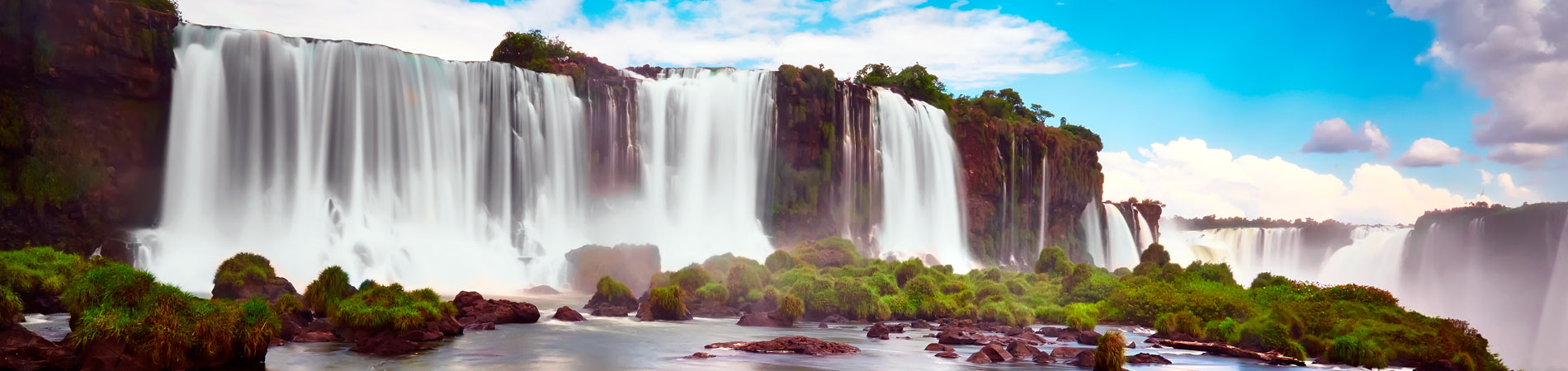
The Northwest changes a lot with rain patterns. Iguazú is stunning year‑round, but heat makes walking tougher. Choose based on your weather tolerance.
Guides: How to visit Iguazú Falls, Salta & Jujuy in 4 days.
Buenos Aires & central Argentina
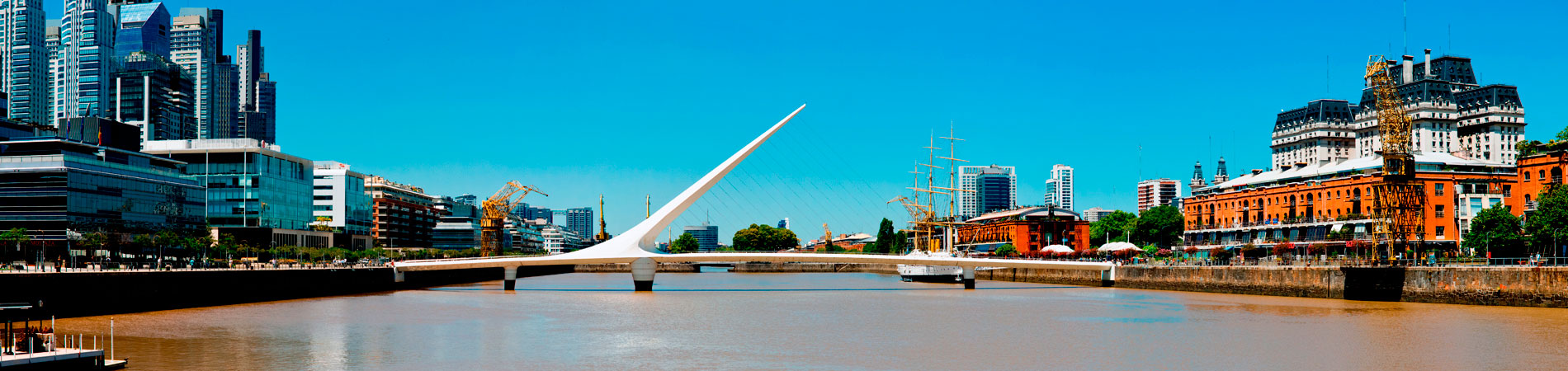
Buenos Aires works in any month, with peak heat in summer. Córdoba and the central region are also very flexible.
Guides: Buenos Aires in 3 days, Córdoba Jesuit route.
Browse destinations and pick dates
FAQ
How many days do I need for Argentina?
It depends on regions. For Buenos Aires + one destination, think 7–10 days. To add both Patagonia and the Northwest, 14+ days is ideal.
What about holidays and peak season?
Demand and prices rise. Book ahead and keep backup plans.
Can I travel year‑round?
Yes—just match destinations to weather: Iguazú and Buenos Aires in milder months; Patagonia with more daylight; snow in winter.